
No two heads of hair are exactly alike.
Some hair becomes oily quickly. Some needs additional moisture. Some tangles overnight, while other hair loses its shape after sleeping, exercising, wearing a hat, or spending time outside.
That is why an effective hair-care routine should never be one-size-fits-all.
Understanding your hair type can help you decide how much moisture to use, when to brush or detangle, which styles work best, and how to refresh the hair without completely starting over.
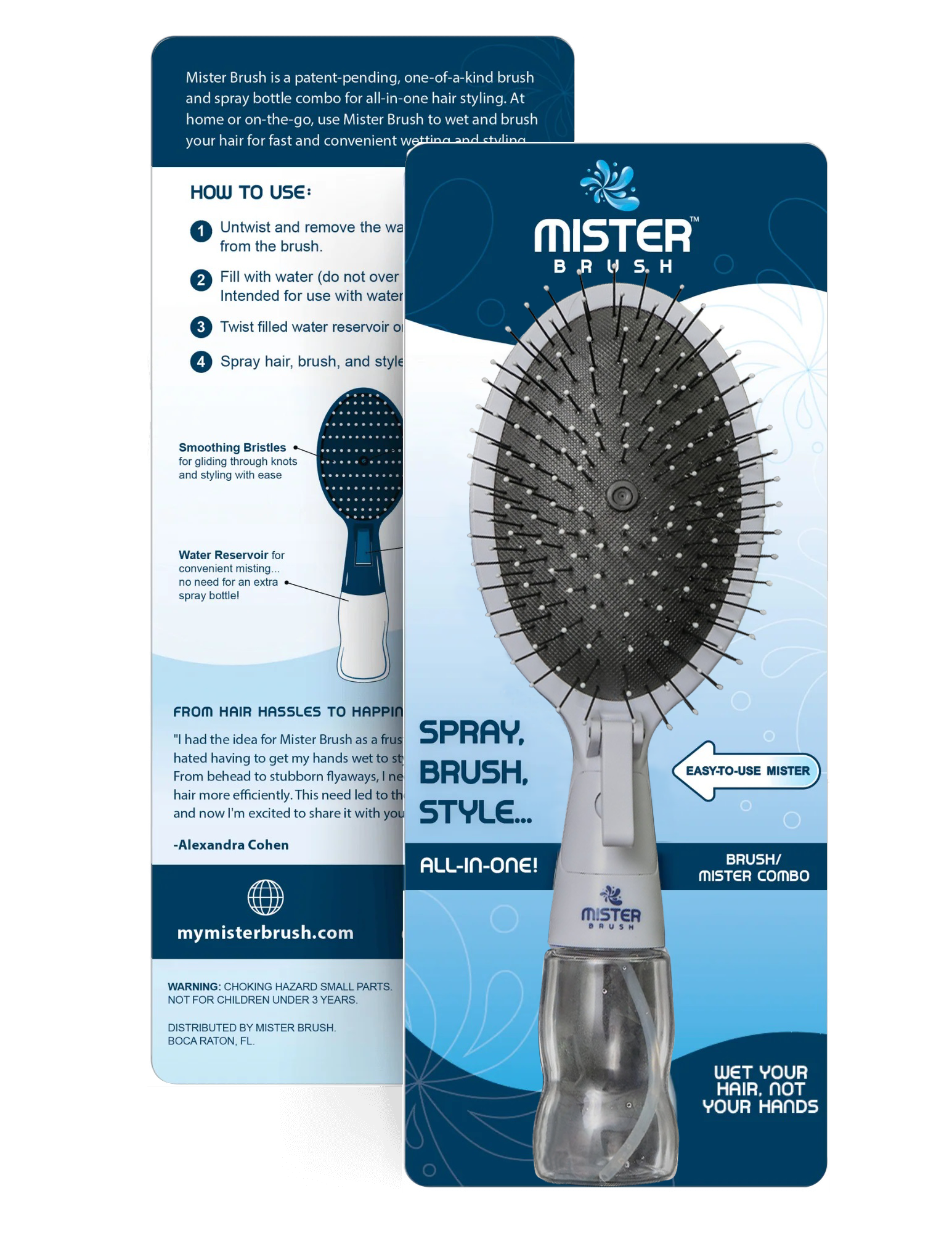
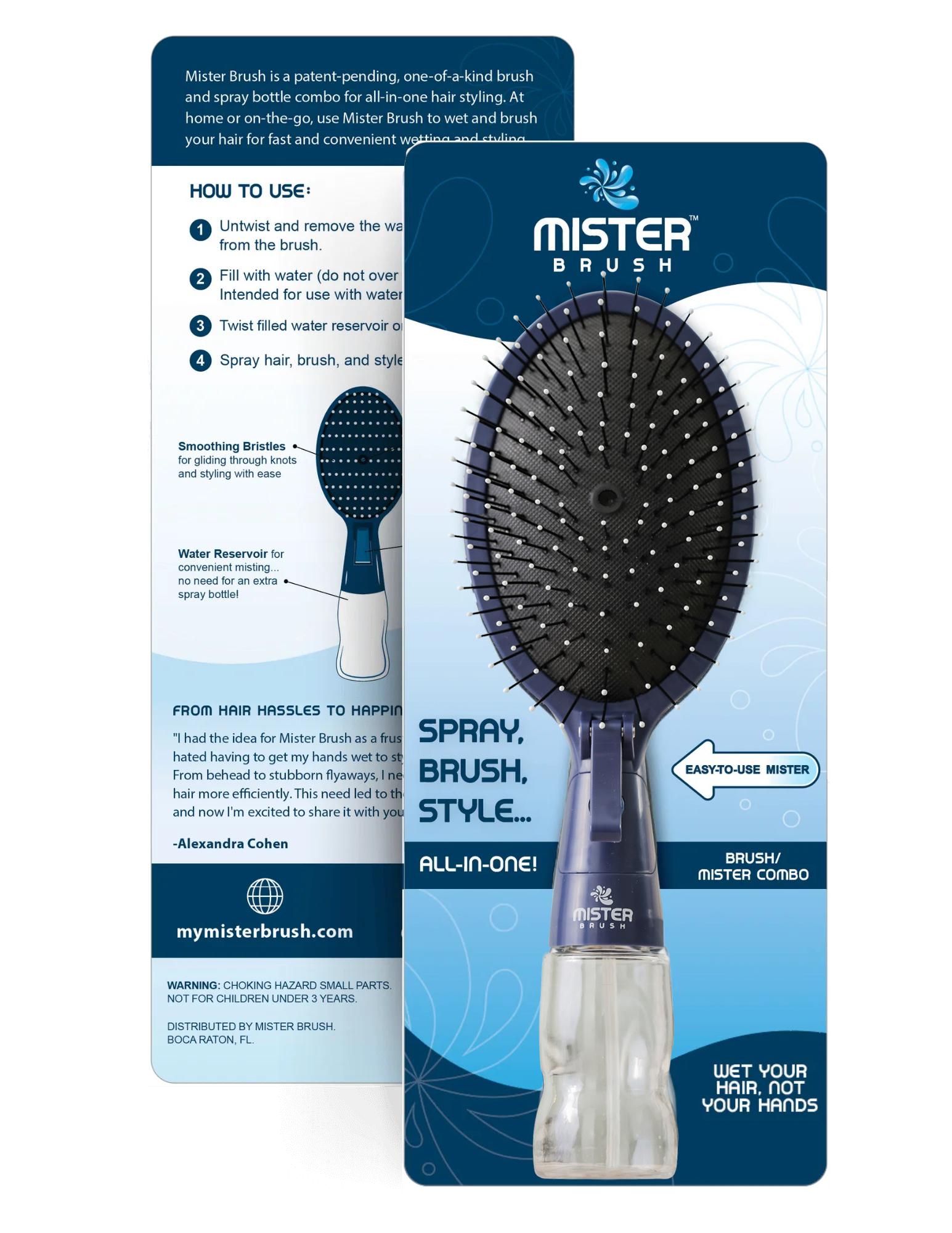
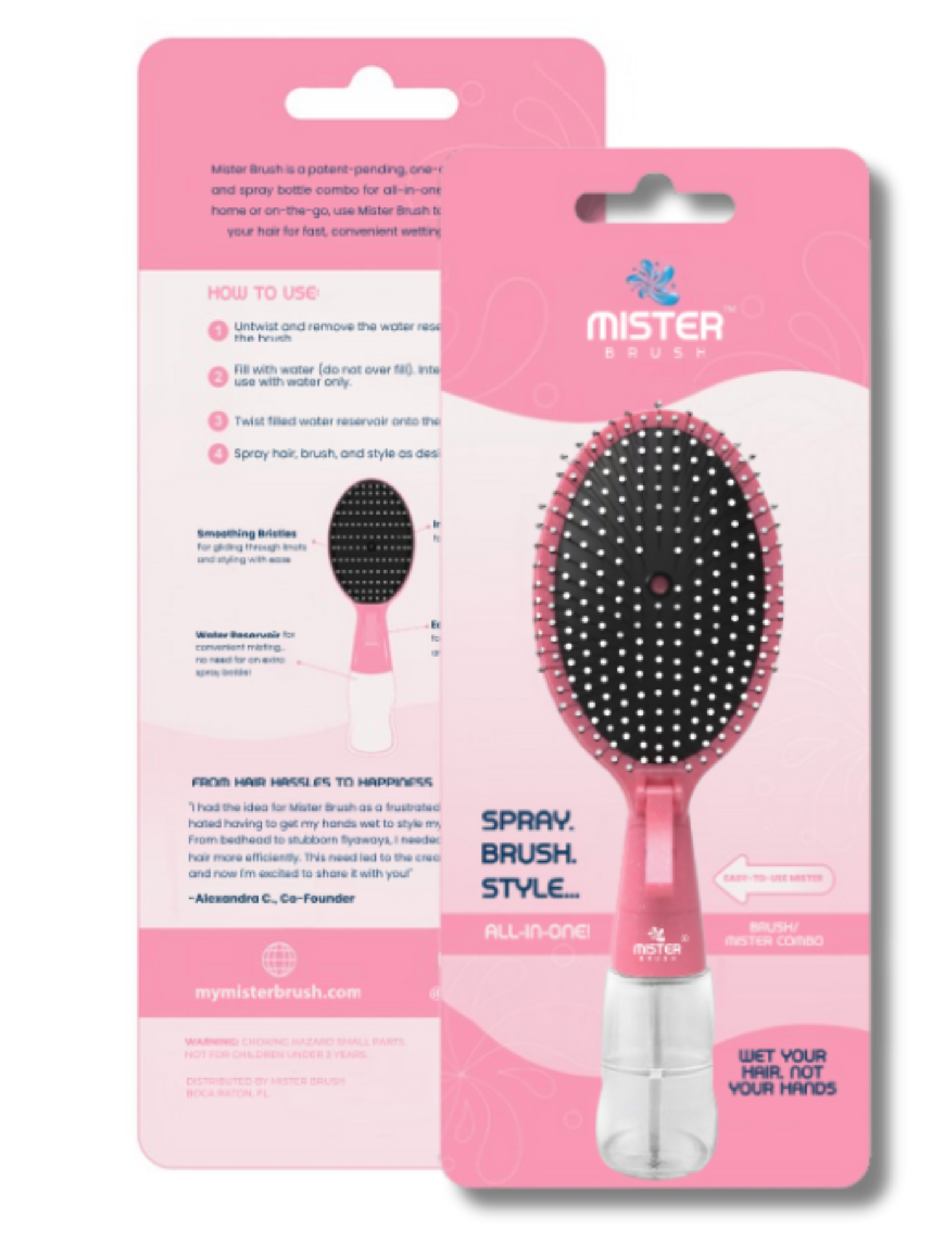
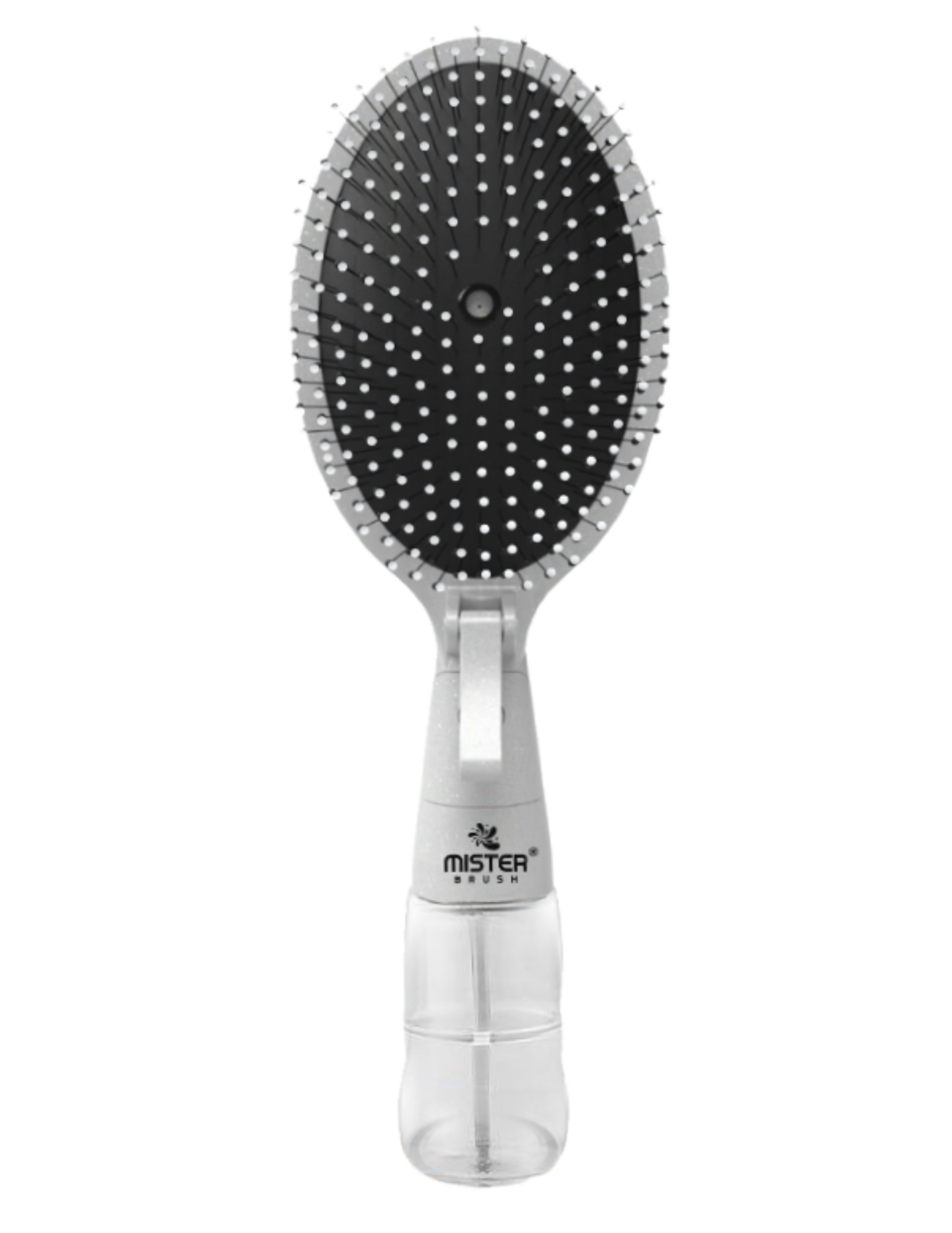
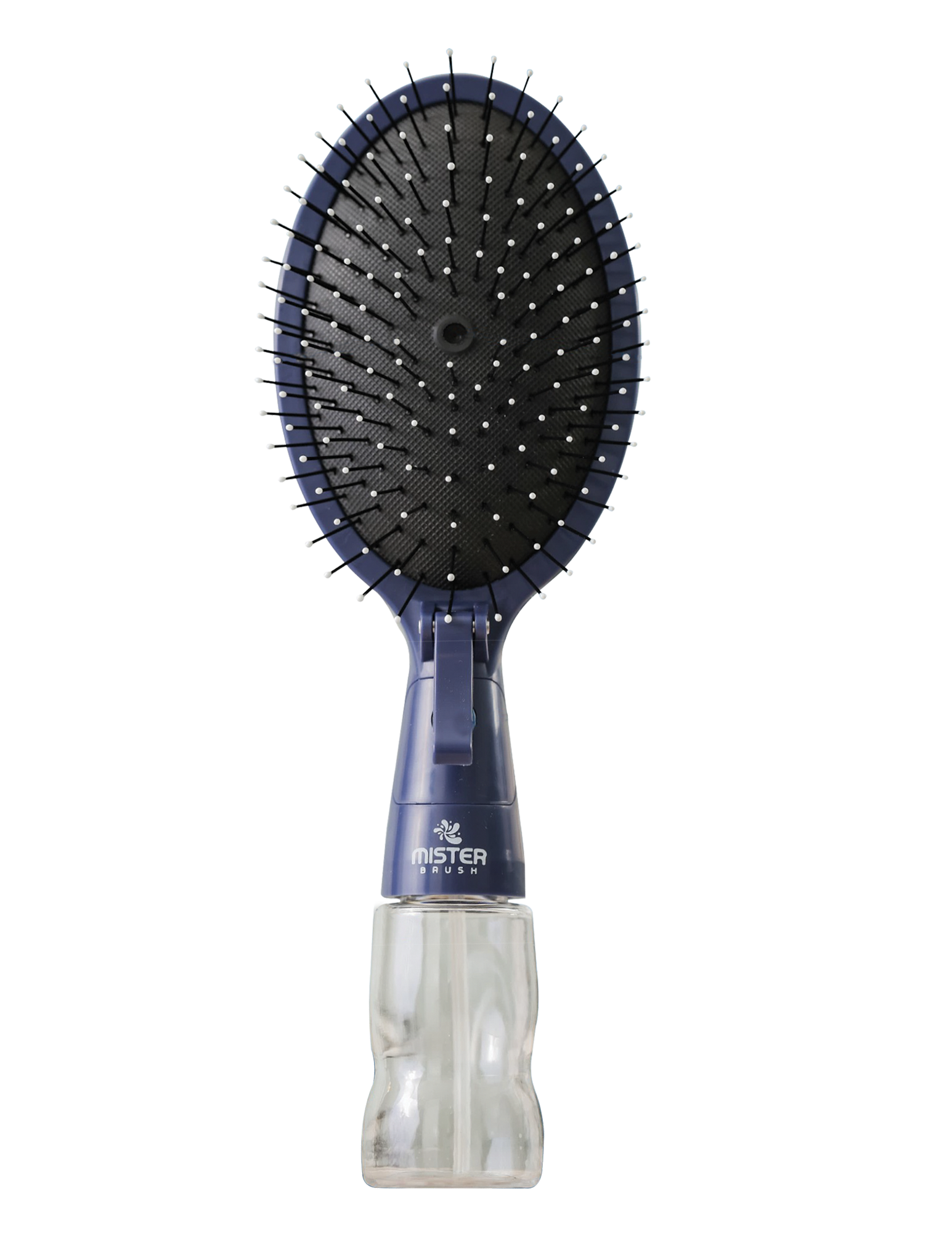
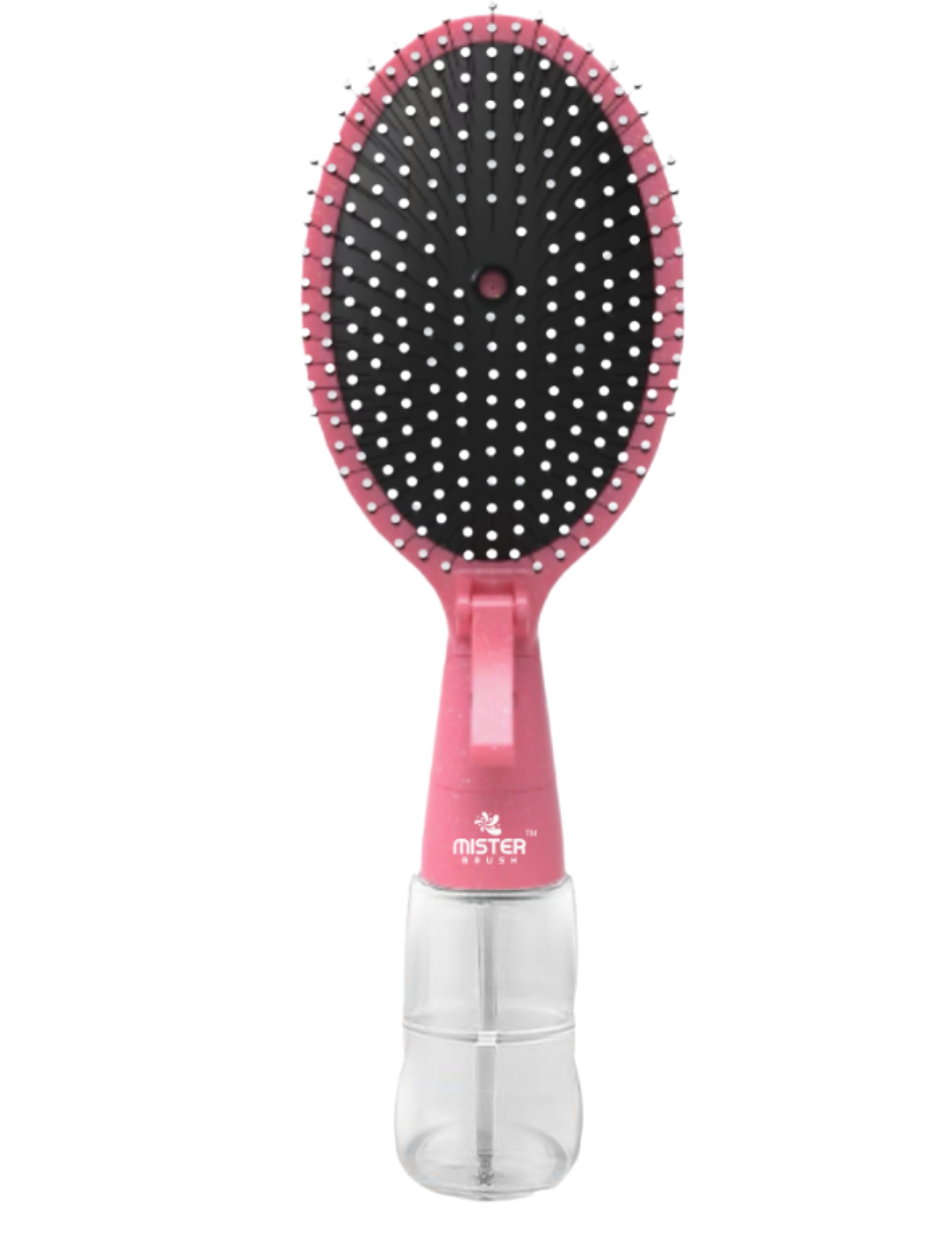
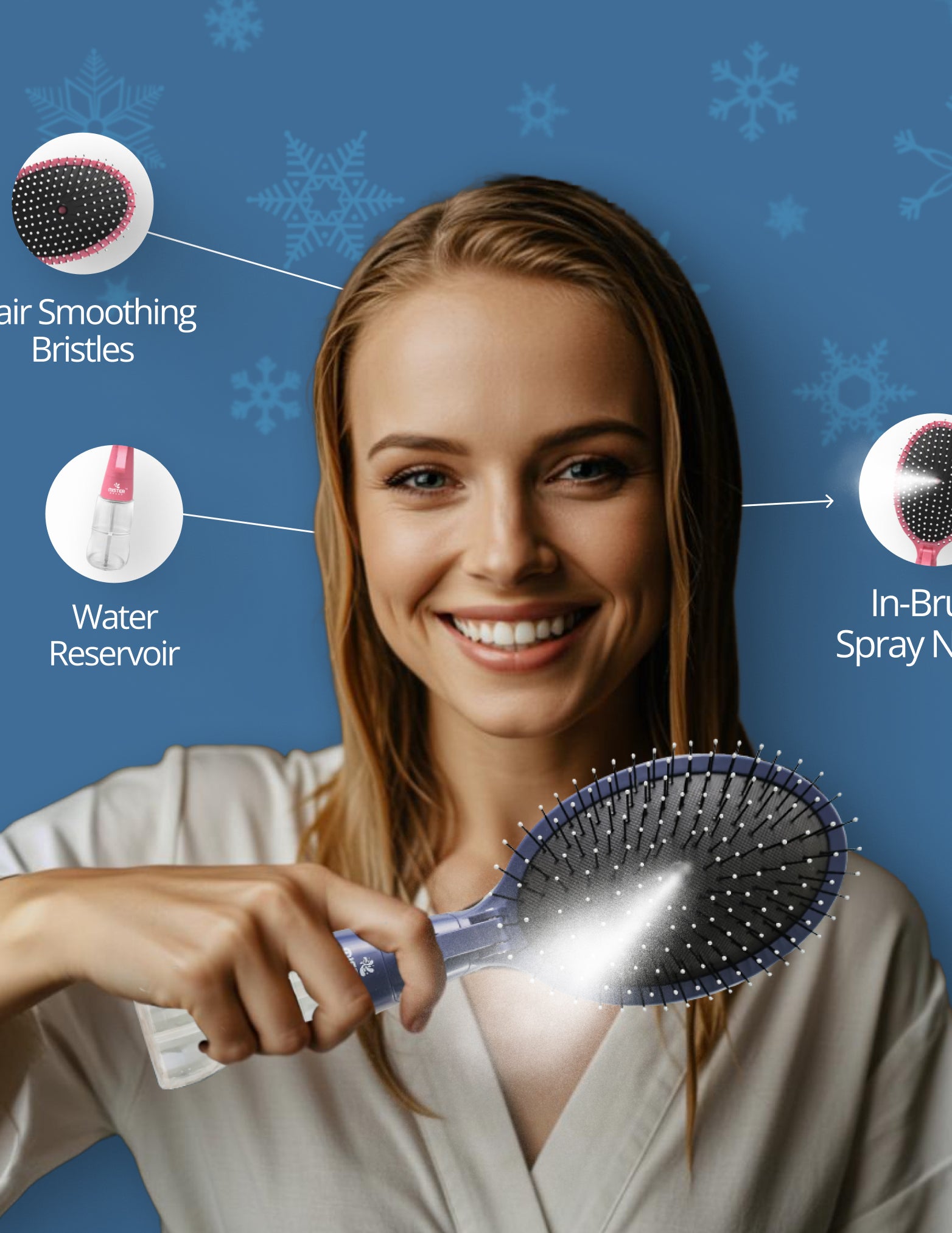
Mister Brush is designed to bring controlled misting and smoothing together in one convenient tool. However, the way you use it should be adjusted to your individual texture, density, length, and styling needs.
Here is how to build a smarter routine for straight, wavy, curly, and coily hair.
Straight Hair: Use Lightweight Moisture
Straight hair can range from very fine and flat to thick and full. Because natural oils can travel down straighter strands more easily, some people with straight hair experience oily roots while their ends remain dry.
Tips for Straight Hair
-
Use a light mist instead of completely soaking the hair.
-
Concentrate moisture on tangled, flattened, or flyaway areas.
-
Begin brushing at the ends and gradually move upward.
-
Avoid applying heavy products directly to the roots.
-
Use a low ponytail, half-up style, or simple pin when time is limited.
-
Allow freshly washed straight hair to dry slightly before detangling.
The American Academy of Dermatology recommends allowing straight hair to dry a little before gently combing it, since wet hair can be more vulnerable to breakage.
How to Use Mister Brush on Straight Hair
Add water or an appropriate lightweight hair mist to the reservoir. Apply a small amount to the areas that need refreshing, then brush gently from the ends upward.
For fine, straight hair, less is usually more. Too much moisture or product may make the hair feel heavy.
Mister Brush can be especially useful for smoothing bedhead, refreshing a ponytail, fixing hat hair, or taming flyaways before school, work, or an event.
Wavy Hair: Refresh Without Flattening
Wavy hair often falls somewhere between straight and curly. It may look smooth in some areas while forming loose bends or “S” shapes in others.
Waves can become flattened overnight or turn frizzy when brushed too aggressively.
Tips for Wavy Hair
-
Refresh only the sections that have lost their shape.
-
Use a light mist to reactivate natural movement.
-
Brush gently when detangling, then use your hands to reshape the waves.
-
Scrunch the hair upward after misting.
-
Avoid repeatedly brushing dry waves throughout the day.
-
Try loose overnight braids for heatless definition.
-
Use clips or a half-up style to preserve texture.
How to Use Mister Brush on Wavy Hair
Separate the hair into a few manageable sections. Lightly mist each section, brush through knots gently, and then scrunch the hair upward with your hands.
Do not continue brushing after the desired wave pattern begins to form. Too much brushing may pull the waves apart and create unwanted frizz.
For a quick morning style, refresh the front pieces and any flattened sections instead of wetting the entire head.
Curly Hair: Moisture and Sections Matter
Curly hair commonly needs more moisture than straight hair and can be vulnerable to frizz or breakage when brushed dry.
The American Academy of Dermatology recommends wetting curly hair before detangling, using leave-in conditioner when appropriate, working in sections, and avoiding dry brushing.
Tips for Curly Hair
-
Detangle while the hair is damp or wet.
-
Divide thick or long curls into smaller sections.
-
Begin at the ends and slowly work upward.
-
Use fingers to separate difficult knots before brushing.
-
Apply products designed specifically for curly hair.
-
Refresh individual curls rather than soaking the entire head.
-
Protect curls overnight with a loose pineapple or braid.
-
Avoid tight hairstyles that pull on the scalp or edges.
How to Use Mister Brush on Curly Hair
Use the mister to add controlled moisture to a flattened or frizzy section. Gently work through the ends, then move toward the mid-lengths.
After detangling, reshape the curl by wrapping it around a finger or scrunching it upward. This allows you to refresh the curl without completing a full wash-day routine.
For very tangled curls, use fingers or a wide-tooth comb first and introduce the brush only when the hair is adequately moisturized.
Coily Hair: Prioritize Hydration and Low Tension
Coily hair has tight curls, bends, or zigzag patterns. It can be beautifully versatile, but its structure may make it more susceptible to dryness, tangling, and breakage.
Gentleness is essential.
Tips for Coily Hair
-
Never rush the detangling process.
-
Work with damp, moisturized hair rather than dry hair.
-
Divide the hair into several small sections.
-
Detangle with fingers or a wide-tooth comb before brushing when necessary.
-
Apply enough moisture to create slip without oversaturating the scalp.
-
Keep braids, ponytails, twists, and other styles comfortably loose.
-
Protect the ends, which are typically the oldest and most fragile part of the hair.
-
Use low-manipulation styles to reduce repeated handling.
Dermatologists caution that tight braids, cornrows, buns, and ponytails can create damaging tension. If a style hurts, it is too tight.
How to Use Mister Brush on Coily Hair
Mister Brush can help deliver controlled moisture to individual sections as part of a texture-appropriate routine.
Mist one section, use fingers or a wide-tooth comb to loosen knots, and then use the brush gently where appropriate for smoothing or styling. Avoid forcing the brush through resistance.
The goal should always be to protect the curl pattern and reduce unnecessary pulling.
Fine Hair: Avoid Overloading the Strands
Fine hair describes the diameter of each individual strand. Fine hair can be straight, wavy, curly, or coily.
Because the strands are smaller, heavy products can quickly make fine hair look flat or greasy.
Tips for Fine Hair
-
Begin with the smallest possible amount of moisture.
-
Avoid saturating the roots unless necessary.
-
Choose lightweight products designed for fine hair.
-
Focus on the ends and tangled areas.
-
Use soft accessories that do not create excessive tension.
-
Refresh one section at a time.
Dermatologists recommend using lighter leave-in products for fine, straight hair and applying only the amount necessary to achieve the desired result.
Thick Hair: Work in Smaller Sections
Thick hair may require more time, moisture, and sectioning, regardless of whether it is straight, wavy, curly, or coily.
Trying to brush through all the hair at once can cause unnecessary pulling and may leave hidden knots underneath the surface.
Tips for Thick Hair
-
Divide the hair into four or more sections.
-
Secure sections that are not being brushed.
-
Mist and detangle one section at a time.
-
Pay special attention to the nape of the neck.
-
Start at the ends before moving toward the roots.
-
Use enough moisture to soften knots without soaking the hair.
Sectioning may add one extra step, but it often makes the entire routine faster and more comfortable.
Children’s Hair: Make the Routine Predictable
Children can have any hair type, but they may have less patience for long grooming routines. Some children may also dislike sudden sprays, dripping water, pulling, or the feeling of wet hands near their face.
A predictable routine can make hair care feel safer and easier.
Try using the same sequence each day:
-
Explain what you are going to do.
-
Divide the hair into sections.
-
Mist one section.
-
Start brushing at the ends.
-
Take breaks when needed.
-
Let the child participate.
-
Finish with a simple style they helped choose.
Mister Brush combines an easy-to-use mister and smoothing brush, eliminating the need to move repeatedly between a separate spray bottle and hairbrush. The brand positions the tool for straight hair, waves, curls, and coils, as well as for children developing independent grooming habits.
The Most Important Rule: Listen to Your Hair
Hair-type systems can provide a useful starting point, but your routine should ultimately be based on how your own hair responds.
Consider:
-
Does your hair need more or less moisture?
-
Does it detangle better damp or nearly dry?
-
Which sections knot most frequently?
-
Does brushing improve the style or separate the texture?
-
Which products make the hair feel soft instead of heavy?
-
Is the hairstyle comfortable, or does it create tension?
Trial and error are normal. Even two people with similar curl patterns may need completely different routines.
One Tool, Personalized for Your Hair
The right hair routine should work with your texture—not against it.
Whether you are smoothing straight hair, reshaping waves, refreshing curls, adding moisture to coils, or helping a child get ready for school, Mister Brush makes it easier to apply moisture exactly where it is needed.
No sink. No juggling multiple tools. No one-size-fits-all routine.
Just mist, brush, style, and go.
Discover a smarter way to care for every hair type. Shop Mister Brush today.